
You know that feeling when you’re stuck in traffic and your sister texts you a dumb meme?
Or when your best friend shows up with coffee and doesn’t ask questions?
That’s not just coincidence.
That’s centuries of women building something real (without) permission.
This is about sisterhood history ewmhisto. Not just sisters by blood. But women choosing each other.
Protecting each other. Passing down knowledge when no one else would listen.
History books skip over it. They focus on wars and laws and men who signed things. But women were stitching quilts that held secret maps.
Running schools in basements. Hiding each other from danger. Teaching daughters how to read.
Even when it was illegal.
Why does that matter now? Because you’ve felt that pull toward other women. That instinct to lean in, speak up, show up.
You didn’t invent it. You inherited it.
This article shows where it came from. No fluff. No hero worship.
Just the stubborn, quiet, constant truth of how women kept going (together.)
By the end, you’ll recognize yourself in this story.
And you’ll understand why that connection feels so deep.
What Sisterhood Actually Is
Sisterhood isn’t just blood. It’s showing up when someone needs you. No fanfare, no receipt.
I’ve seen it in my aunt’s kitchen in Portland, Oregon, where three women split rent and childcare for twenty years. No paperwork. Just trust.
It’s also what you’ll find in the sisterhood history ewmhisto timeline (real) women organizing, sharing resources, protecting each other long before it had a hashtag. (That link goes deep on how it started.)
You’ve done it too. Texted a friend after a bad meeting. Covered for a coworker who had to take her kid to the ER.
Sat with someone who just got bad news.
That’s not “girlboss energy.” That’s sisterhood.
It used to happen over back fences. Now it happens in Slack channels and group texts. Same instinct.
Different tools.
Some people think it’s soft. I think it’s survival.
You don’t need a title or a mission statement to belong.
No gatekeeping. No entry exam.
The journey of sisterhood throughout history is explored in detail on the resource ewmhisto, highlighting its significance and evolution.
You just need to show up (and) let someone else show up for you.
Just presence. And follow-through.
What’s one thing you’ve done this week that counts?
Sisterhood Before Labels
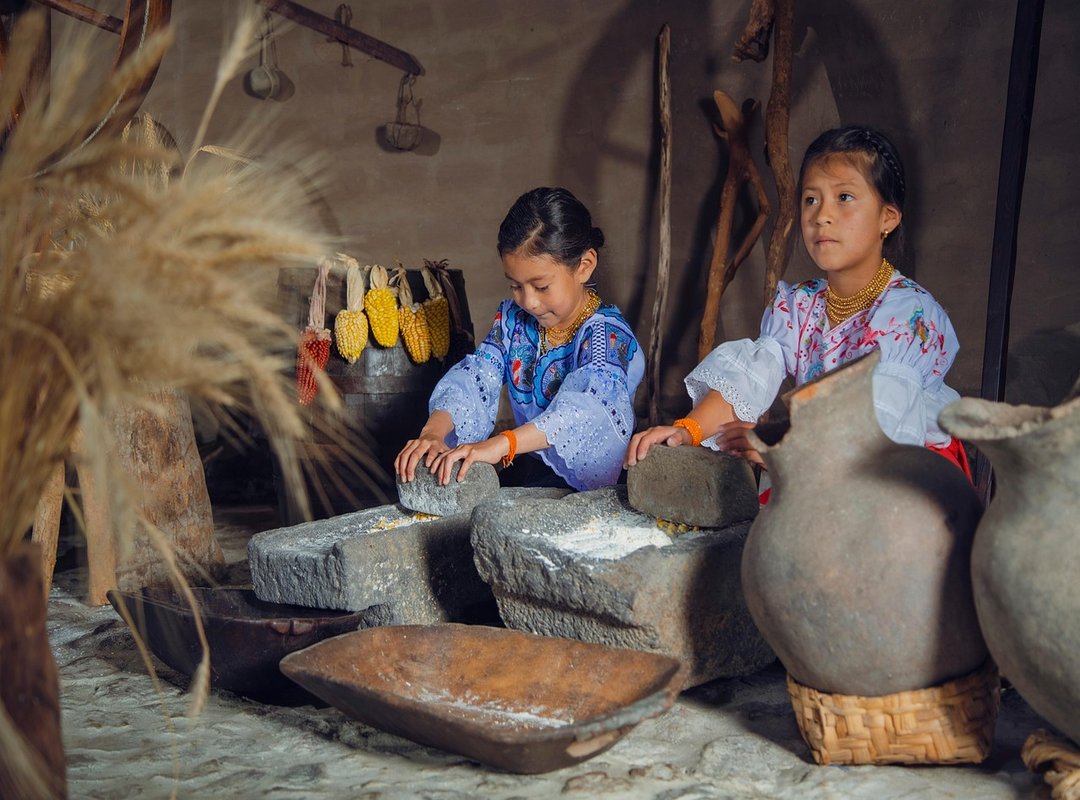
I see it in old pottery shards. Women grinding grain side by side. Not for a movement.
For dinner.
Tribal communities didn’t need slogans. When your baby cried at dawn and your neighbor handed you roasted tubers while she rocked your child. That was sisterhood history ewmhisto.
You think survival was solitary? Try birthing alone in a mud hut with no one to hold your hand or boil water.
Women shared fire. Shared herbs. Shared the weight of water jars and the weight of secrets.
In ancient Mesopotamia, women wove cloth together while singing lullabies that doubled as memory-keepers. In West African villages, elders taught girls how to plant millet and how to spot a liar’s blink. Same lesson.
Different tools.
No meetings. No manifestos. Just hands passing bread, hands wiping tears, hands stitching wounds shut.
You ever notice how fast gossip travels? That’s not just noise. That’s early warning systems.
That’s care disguised as chatter.
Rituals weren’t magic tricks. They were calendars. Marking moons, marking menarche, marking when to gather roots before frost.
Childcare wasn’t “shared.” It was assumed. Your kid was everyone’s kid until they weren’t.
This wasn’t theory. It was muscle memory. It was breath.
You don’t build trust with speeches. You build it carrying each other’s buckets.
Nuns, Guilds, and Backroom Deals
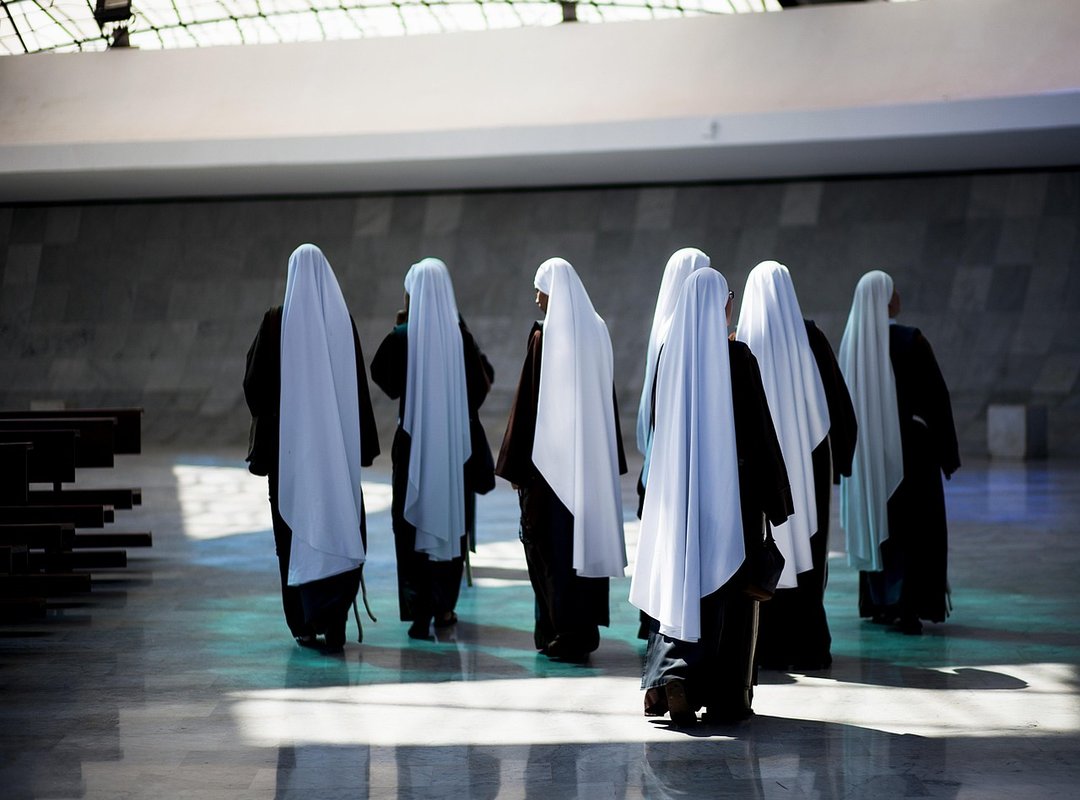
Women in the Middle Ages and Renaissance were told to stay quiet.
They did not stay quiet.
Throughout history, sisterhood has been a crucial force in advocating for rights and equality, showcasing the undeniable power of womanhood ewmhisto.
Convents were not just prayer rooms. They were schools. Workshops.
Safe houses. Nuns copied manuscripts, ran pharmacies, managed land. All without a man’s signature.
Guilds? Women joined as widows or apprentices. They wove cloth, brewed ale, sold spices.
They trained daughters. Hired other women. Paid each other wages.
Sometimes in grain, sometimes in coin.
Childbirth was dangerous. So women gathered. Held hands.
Boiled herbs. Took turns watching children. No doctors needed.
Just knowledge passed hand to hand.
This wasn’t rebellion. It was routine. It was survival with witnesses.
You think independence needed a title?
Think again.
These networks gave women real power. Not the kind kings granted. The kind you build when no one’s looking.
That’s where the power of womanhood ewmhisto lives. Not in speeches, but in shared bread and whispered advice.
Some women never left their village. Others traveled across Europe as silk merchants or scribes. All of them leaned on each other.
Sisterhood history ewmhisto isn’t about saints on stained glass.
It’s about who held the lamp while someone else stitched a wound.
No fanfare. No records. Unless a priest happened to write it down.
And even then, he usually got the names wrong.
Sisterhood Was Never Just a Word
I watched my grandmother’s hands shake as she held a faded suffrage banner. She said, “We called it sisterhood. Not love.
Not friendship. Sisterhood.”
That wasn’t poetry. It was plan.
Women in the 1800s didn’t wait for permission to organize. They met in parlors, churches, and barns. And called each other sisters while demanding the vote.
They knew naming it mattered.
As we reflect on the evolution of sisterhood, it’s essential to acknowledge the impact of various womanhood projects ewmhisto throughout history.
Fast-forward to 1968. A group of women in Chicago printed “SISTERHOOD IS Solid” on mimeographed sheets. It spread like smoke.
Not because it sounded nice. But because it worked.
You think that slogan was just feel-good? Try getting arrested together, sharing jail cells, drafting press releases at 3 a.m., and still calling each other sister. That’s not symbolism.
That’s survival.
The 20th century proved something simple: when women stop competing and start coordinating, laws change. Pay gaps shrink. Abortion access expands.
School boards shift.
It’s not magic. It’s math. More voices = more pressure.
More shared risk = less fear.
Some people act like sisterhood is soft. I say it’s the sharpest tool we’ve ever built.
Want to see how that energy lives today? Check out real womanhood projects ewmhisto. Not theory, not nostalgia, but actual work happening now.
This Legacy Is Real
I know you came here because you’re tired of sisterhood being treated like an afterthought.
Like it’s just a nice idea. Not something women have bled for, built on, and held tight through centuries.
That’s why sisterhood history ewmhisto matters. It’s not nostalgia. It’s proof.
You’ve felt the weight of being unseen (like) your friendships, your alliances, your quiet acts of loyalty don’t count as history.
They do.
This isn’t about idealizing the past. It’s about naming what’s always been true: women show up for each other. Even when no one’s watching.
Even when it costs them.
So look around. Who’s your person? Your cousin who calls at 2 a.m.?
Your coworker who covered for you without asking? Your neighbor who brings soup when you’re sick?
That’s the legacy in motion.
Don’t wait for permission to call it sisterhood.
Don’t wait for someone else to honor it first.
Reach out today. Say the thing you’ve been holding back. Show up.
Even if it’s small.
Because this bond isn’t fragile. It’s forged. And it’s yours to keep alive.
 Fenrithia Hearthmoor is a creative lifestyle writer and women’s wellness advocate who brings inspiration, authenticity, and warmth to the Nitka Guides community. Passionate about empowering women through meaningful content, Fenrithia focuses on topics that help readers feel more confident, balanced, and connected in their everyday lives. From self-care routines and mental wellness strategies to fashion inspiration and practical life advice, her writing is centered around helping women thrive personally and emotionally.