
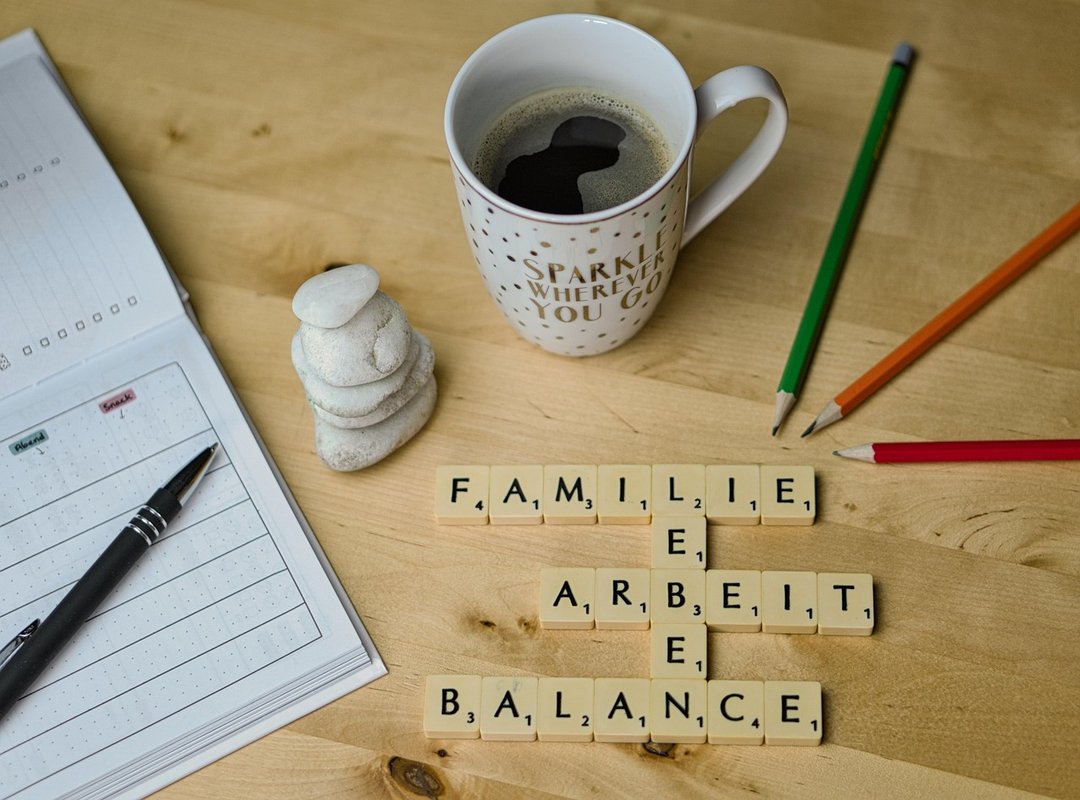
Stress at work is a real issue. It messes with our heads and affects everything we do.
I know you feel it. The pressure to perform, meet deadlines, and juggle responsibilities can be overwhelming.
In today’s fast-paced work environments, mental well-being often takes a backseat. You might wonder, how do I keep my work mental health balance intact?
That’s where practical strategies come in. I’ve explored various approaches to boost mental wellness at work, especially for women.
Trust me when I say this: I’ve seen what works. I’ve consulted experts and gathered takeaways that can genuinely make a difference.
This article dives into actionable strategies to improve your mental well-being at work. You deserve to thrive, not just survive, in your job.
Let’s tackle this together and create a healthier work environment. Your mental health matters, and it starts here.
Workplace Well-being: It’s a Must
Mental well-being in the workplace. You’ve heard the term before, but what does it really mean? It’s not just about being happy at work.
It’s about feeling balanced and able to handle stress. In a professional setting, mental well-being is key. It affects everything from productivity to job satisfaction.
Stressors at work are everywhere. Deadlines, demanding bosses, endless emails. We’ve all faced them.
How many times have you felt overwhelmed by it all? Stress isn’t just a buzzword; it’s a reality. And it hits hard.
It can lead to burnout, anxiety, even depression. That’s why focusing on mental well-being isn’t just a nice idea. It’s necessary.
A mentally healthy workplace boosts productivity. Employees who feel supported work better. It’s simple.
When you’re not weighed down by stress, you can focus. You can be creative. You can actually enjoy your job.
Imagine that.
Now, let’s talk about the benefits. Increased productivity is one. Employee satisfaction is another.
But there’s more. A positive work environment attracts talent. Who doesn’t want to work somewhere that values their mental health?
It’s not just about work-life balance. It’s about work mental health balance. That’s a real game-changer.
How can we create this type of environment? It’s about making mental health a priority. Encourage open conversations.
Offer support when needed. And remember, it’s not just up to HR. We all have a role.
Are you ready to make a change? It’s time to ask yourself: what can you do?
Stress at Work: The Unseen Monster
Workplace stress is like an invisible monster lurking in the shadows. It’s not just about a heavy workload (though, let’s face it, that’s a big one). It’s also about those awkward interpersonal conflicts and that gnawing feeling of having zero control over your day.
Women, in particular, face unique challenges here. Ever notice how expectations at work seem to double when you’re juggling home life too? The pressure can be suffocating.
Now, let’s talk signs. When stress gets too high, mental health takes a nosedive. You’ll see it in absenteeism, a dip in productivity, or even that colleague who suddenly goes silent.
It’s like the canary in the coal mine. Recognizing these signs is key. But what can you do about it?
The key is finding a work mental health balance. Easier said than done, right? One way is to embrace mindfulness.
Take a breather. Learn more about how simple practices can help calm the chaos. It’s not just fluff. This stuff works.
You’ll feel more grounded, and that’s a game-changer. So, what’s stopping you from taking that first step?
Mental Well-being at Work: Real Talk
Let’s get straight to it. If you’re not thinking about mental health at work, you’re missing out. Seriously, this isn’t just about avoiding burnout.
It’s about creating a space where people want to be. Flexible work arrangements? They’re not just nice-to-haves anymore.
They’re important. Imagine being able to adjust your work hours for a doctor’s appointment without feeling guilty. That’s the kind of freedom that boosts morale.
But wait, there’s more. Ever heard of mental health days? They’re a game-changer.
Taking a day for yourself (without the guilt trip) can do wonders. And let’s not forget open communication. It’s key.
How many times have you wished you could just speak your mind without fear? Creating a culture of support means you can. It’s not rocket science, but it does require some effort.
Now, let’s talk mindfulness. You might roll your eyes at this, but integrating mindfulness into the workplace is a big deal. Simple stress management techniques can make a huge difference.
A quick meditation session or a walk outside can reset your day. Are you doing it? If not, why not?
Pro tip: Encourage your team to share their mindfulness practices. It’s amazing what you can learn from each other.
Ultimately, achieving a work mental health balance isn’t just a trend. It’s a necessity. It’s about time we all started acting like it.
So, what are you waiting for? Make the change. Your team will thank you.
Self-Care: Your Secret Weapon
Ever felt like you’re juggling too much at work? I’ve been there. Stress can sneak up on you, but self-care is your secret weapon.

Start with simple steps like taking breaks (seriously, move away from your desk) and practicing mindfulness. It’s not just about burning sage and meditating. It’s about finding what works for you.
You know what else helps? Peer support. Creating employee resource groups can make a huge difference. These groups build a sense of community and shared understanding.
You’re not alone in this crazy work world. Lean on your colleagues. It’s solid.
But sometimes, peer support isn’t enough. That’s when seeking professional help becomes key. Don’t hesitate to use company resources for mental health support.
Many companies offer fantastic benefits if you just ask.
Pro tip: Keep a journal. Track what stresses you out and what calms you down. It’s eye-opening.
And let’s not forget the importance of work-life balance: how to achieve better mental health. Balancing work with personal life is key to maintaining your work mental health balance. It’s a game-changer.
Take control of your well-being. Your future self will thank you.
Success Stories: Mental Health Wins at Work
When I think about work-life balance, mental health immediately jumps to mind. Companies are waking up to the fact that a happy workforce is a productive one (who knew, right?). Let’s look at some real-world examples that show how improving mental well-being isn’t just fluff.
Take a tech company that kicked off a monthly “mental health day.” Employees reported feeling more motivated. One person said, “It’s like a weight was lifted.” Another initiative involved providing access to coping anxiety tools women. This made a tangible impact on stress levels.
It’s not just policies either. Feedback loops matter too. A financial firm implemented anonymous surveys and got raw feedback from employees.
They learned that flexible hours could reduce burnout. Implementing this change? A game-changer.
You might wonder, does this really work? Yes. Just ask the marketing team where absenteeism dropped by 30% after introducing meditation sessions.
Real employees, real stories.
These initiatives show that focusing on a work mental health balance pays dividends. But the best part? It’s not rocket science.
Listen to your people and make changes that matter. Who wouldn’t want to be part of a company that truly cares?
Your Path to a Healthier Workplace
I can’t stress enough how important it is to prioritize mental well-being at work. Work mental health balance isn’t just a buzzword; it’s a necessity. The strategies we’ve discussed won’t just improve productivity. They’ll create a culture of support and understanding.
I encourage you to take action. Set up these ideas and see how they change your workplace. Share your experiences with others.
There’s strength in community. If you’re struggling to make this happen, reach out. Together, we can create a healthier, happier work environment.
Don’t wait. Start today and see the difference for yourself.
 Zayrithia Kinlark is a passionate writer, lifestyle storyteller, and contributor at Nitka Guides, where she shares empowering content designed to inspire and support women in their everyday lives. With a deep interest in wellness, self-growth, fashion, and emotional balance, Zayrithia creates thoughtful articles that encourage women to embrace confidence, authenticity, and personal fulfillment. Her writing combines warmth, creativity, and practical insight, making complex topics feel approachable and relatable.