
What’s the first thing you think of when someone says “sisterhood”? Not the Instagram posts. Not the corporate wellness retreats.
The real thing.
I’ve seen it in my grandmother’s letters. In protest signs held by women who’d never met. In whispered advice passed across kitchen tables at 2 a.m.
This isn’t some new trend. Sisterhood is older than most laws protecting women. Older than most history books bother to mention.
We’re digging into the history sisterhood ewmhisto. Not as a footnote, but as the main story.
You’ll see how women organized schools when they were banned from them. How they ran underground networks before “networking” was a buzzword. How they kept each other alive during wars, plagues, and silence.
Some people act like solidarity among women is fragile. It’s not. It’s forged.
This article doesn’t just list dates and names.
It shows how support between women solved real problems (and) changed everything.
You’ll walk away knowing why today’s bonds aren’t accidental. They’re inherited. They’re practiced.
They’re necessary.
Read this if you want proof. Not poetry (that) women have always shown up for each other.
Sisterhood Was Survival
I used to think sisterhood meant blood. Then I dug into the Ewmhisto archives and saw how wrong I was.
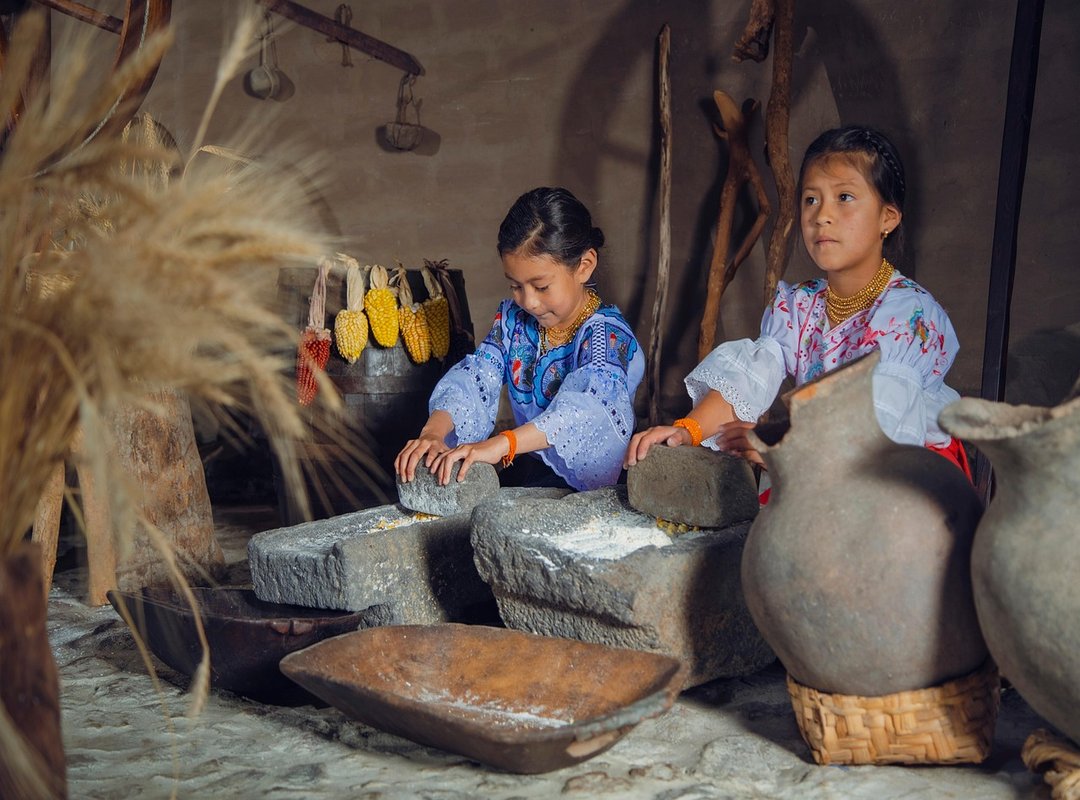
Women in early farming villages didn’t just share chores. They shared everything. Gathering roots.
That wasn’t convenience. It was necessity. One woman couldn’t do it all and live.
Grinding grain. Watching each other’s kids while someone mended a net.
So they built something real. Fast.
You think about it. No daycare. No grocery store.
No sick leave. If your baby spiked a fever at dawn, who held them while you boiled water? Your neighbor.
The woman who taught you how to ferment milk last spring.
Priestesses weren’t rare exceptions. In places like Çatalhöyük or pre-dynastic Egypt, groups of women led rituals, kept calendars, stored seed knowledge. Their authority came from trust (not) titles.
They passed down more than recipes. They passed down how to read the soil, when to plant, which herbs stopped bleeding. That knowledge stayed in the circle.
Not in temples. Not in scrolls. In hands-on, voice-to-ear, day-after-day practice.
Sisterhood wasn’t soft. It was structural. Like beams holding up a roof.
And when those beams cracked. Say, drought hit or a raid came. The whole village leaned on that network first.
History sisterhood ewmhisto shows this plainly: no sisterhood, no stable community.
You ever try raising a child alone in a world with no backup? Neither did they. So they didn’t.
Convents, Guilds, and Spinning Circles
I saw sisterhood in action. Not in fairy tales, but in convents where women copied manuscripts, debated theology, and ran schools. They weren’t hiding from the world.
They were building one.
Convents gave women room to read, write, and lead (something) marriage rarely allowed. You think education was just for monks? Try telling that to Hildegard of Bingen.
Women in guilds did the same thing. Just quieter. A weaver taught her apprentice not just thread tension, but how to negotiate contracts.
(She composed music and wrote medical texts.)
That’s sisterhood with receipts.
In villages, women gathered to spin wool or bake bread together. No agenda. No meetings.
Just shared labor (and) shared gossip, shared worries, shared solutions.
These bonds kept people alive. When a husband died, it was your spinning circle who brought soup and helped you renegotiate the lease. When the harvest failed, it was your guild sisters who stretched the flour.
This wasn’t “female friendship” as we call it now. It was infrastructure. It was survival.
The history sisterhood ewmhisto shows us how women made space for each other. Even when no one gave them permission. No grand speeches.
Just daily acts of showing up.
You think you need a title to be someone’s anchor? Try holding a baby while your neighbor stitches a torn tunic. That’s enough.
Sisterhood Got Organized
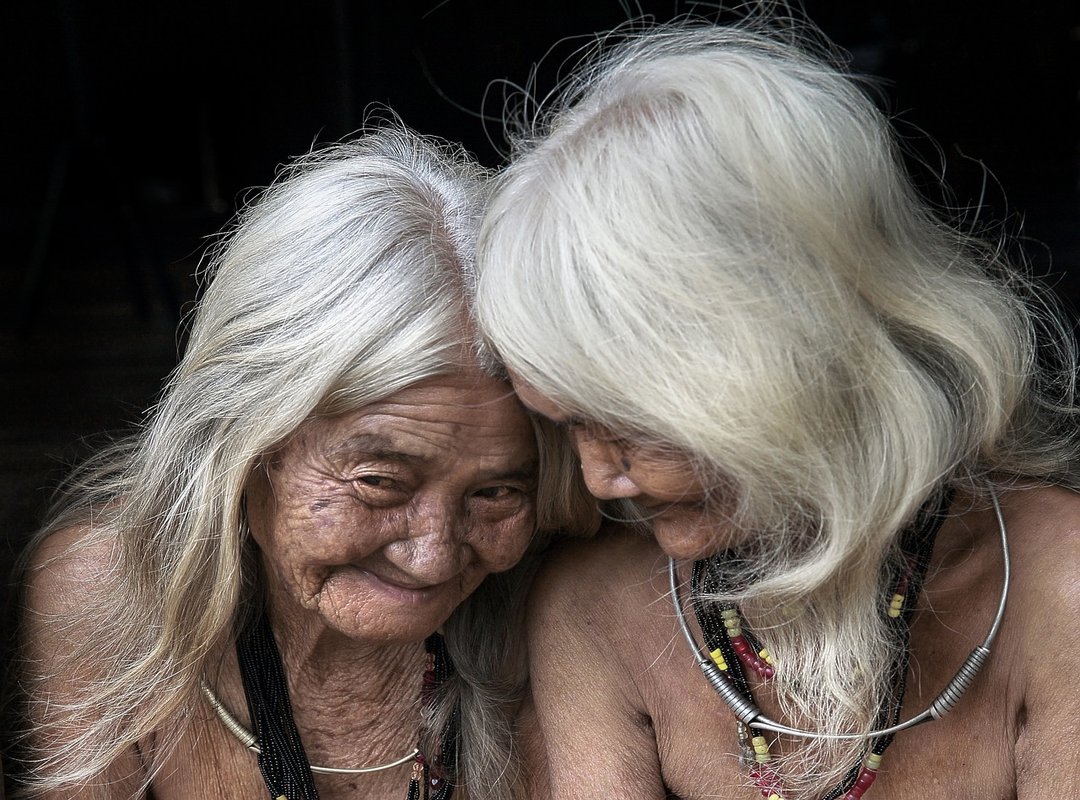
Women stopped waiting for permission.
They built their own tables. Their own rooms. Their own rules.
In the 1700s and 1800s, women started forming formal groups (clubs,) benevolent societies, reading circles. Because no one else would listen.
They tackled real problems: illiteracy, poverty, slavery, the fact that they couldn’t vote or own property.
You think leadership training happens in business school? Try running a suffrage chapter while raising kids and facing public ridicule.
These weren’t tea parties. They were plan sessions. Fundraisers.
The evolution of collective efforts among women can be traced through significant events in womanhood history ewmhisto, highlighting their roles beyond traditional gatherings.
Press campaigns. Legal challenges.
Abolitionist groups like the Philadelphia Female Anti-Slavery Society forced national conversations (and) got women banned from speaking at mixed-gender conventions (so they started their own).
That’s when they realized: power isn’t given. It’s claimed. Together.
They taught each other public speaking. Managed budgets. Wrote petitions.
Published newspapers.
No fancy titles. No funding. Just constant coordination.
This is where the history sisterhood ewmhisto gets real. Not in textbooks, but in handwritten minutes and faded membership rolls.
If you want to see how it actually unfolded. The fights, the failures, the first wins (I) dug deep into the womanhood history ewmhisto.
These groups didn’t just pave the way for feminism.
They were feminism. Before the word existed.
Sisterhood Didn’t Stop at 1920
I saw my grandmother’s suffrage pin next to my sister’s Instagram story about a mutual aid fund. Same fire. Different tools.
The women’s liberation movement didn’t invent sisterhood. It weaponized it. We marched.
We shared childcare. We named our anger out loud. (And yes, we fought each other too.
Real solidarity isn’t polite.)
Sisterhood today isn’t one thing. It’s the Slack channel for women in tech. It’s two friends texting at 2 a.m. about a toxic boss.
It’s strangers in a Facebook group swapping abortion clinic contacts across state lines.
Social media didn’t replace sisterhood. It stretched it. Across time zones, languages, and zip codes.
You see someone post about burnout and instantly recognize your own exhaustion. That’s not algorithm magic. That’s recognition.
Some call it “networking.” I call it survival. Some call it “vibes.” I call it showing up.
The form changes. The need doesn’t. Women still hold each other up.
Whether over coffee or a comment thread.
You feel that pull, right? That quiet certainty that you’re not supposed to do this alone?
That’s why the history sisterhood ewmhisto matters. Not as a museum piece. But as proof we’ve always found ways to link arms, even when the ground shakes.
Want to go deeper into how that pull shows up in everyday life? Check out the power of womanhood ewmhisto.
Sisterhood Doesn’t Wait
I’ve seen it my whole life. Women showing up. For each other, not just when it’s easy.
That’s the history sisterhood ewmhisto. Not a museum piece. A living thing.
Ancient women shared food and fire. Mothers passed down warnings and wisdom. Friends held space in hospital rooms.
Strangers organized protests. Colleagues covered shifts so someone could grieve.
Same thread. Different tools.
You felt this. You’ve been the one held (and) the one holding.
That bond isn’t soft. It’s how change actually happens. Laws shift because women talk, plan, show up, refuse to back down.
But here’s what I see now: too many women treat sisterhood like background noise. Like it’ll just keep humming along without attention.
It won’t.
Your people need you to choose them. Not someday. Today.
Text one person right now. Say I see you. Or I’m here.
Or even I messed up. Can we talk?
No grand gesture. Just show up.
Because the legacy isn’t in books. It’s in what you do next.
So do it.
Send that message. Make that call. Sit with her.
Listen longer.
Sisterhood isn’t inherited. It’s built. Every day.
Through shared experiences and mutual support, we can cultivate a strong sense of community that highlights the power of womanhood ewmhisto.
By you.
 Fenrithia Hearthmoor is a creative lifestyle writer and women’s wellness advocate who brings inspiration, authenticity, and warmth to the Nitka Guides community. Passionate about empowering women through meaningful content, Fenrithia focuses on topics that help readers feel more confident, balanced, and connected in their everyday lives. From self-care routines and mental wellness strategies to fashion inspiration and practical life advice, her writing is centered around helping women thrive personally and emotionally.