
Women’s health can feel overwhelming. I get it. But understanding women health screenings is key.
These screenings are a lifeline, yet so many of us ignore them. Why is that?
Maybe it’s fear or just not knowing where to start. I’ve been there, and I know how it feels to push these important check-ups aside.
This article aims to change that. I’ll break down what screenings you really need and why they matter. You’ll learn how they can catch potential issues early and keep you feeling your best.
You deserve to feel empowered and informed about your health. Each screening has a purpose, and knowing what to expect can make it less daunting.
Trust me, understanding your health is not just for you but for your loved ones too.
By the end, you’ll have the knowledge to take charge of your health and make informed decisions.
Women’s Health Assessments: Why They Matter
Women’s health assessments aren’t just check-ups. They’re a series of important screenings and discussions that keep us ahead of the game. Why wait for a problem when you can catch it early?
That’s the difference between reactive and proactive healthcare. We all know someone who caught something early and beat it. That’s power.
Women’s bodies go through so many changes. Hormones, anyone? From puberty to menopause, we need gender-specific monitoring.
It’s not just about spotting issues; it’s about understanding ourselves. Knowing what’s happening inside makes us better advocates for our health. We deserve to be informed and in control.
Ever felt lost in a doctor’s office? I have. But understanding these assessments gives us back our voice.
We can ask the right questions. We can demand better care. That’s empowerment.
Women health screenings are key. They keep us informed and healthy. Let’s face it, being proactive is the best way to maintain vitality.
Why not take charge of our health? It’s not just about living longer; it’s about living better. So next time you’re due for a health check, remember it’s your chance to stay ahead.
Health Checkpoints: Your Lifelong Guide
Navigating the maze of women health screenings can feel overwhelming. Trust me, I’ve been there. Let’s cut through the noise.
In your 20s and 30s, focus on annual well-woman exams. Pap smears are key for catching cervical cancer early. Ever worried about STIs?
Regular screenings are a must. And yes, contraception and fertility discussions are key (even if you’re not planning a family right now).
Hit your 40s and 50s, and the game changes. Mammograms come into play for breast cancer screening. It’s not just about lumps; early detection is everything.
Keep an eye on cholesterol and blood pressure. They’re silent troublemakers. Don’t ignore perimenopause either.
It’s better to understand it before it sneaks up on you.
Once you hit 60, bone density becomes key. DEXA scans help spot osteoporosis before it leads to fractures. Mammograms and colon cancer screenings?
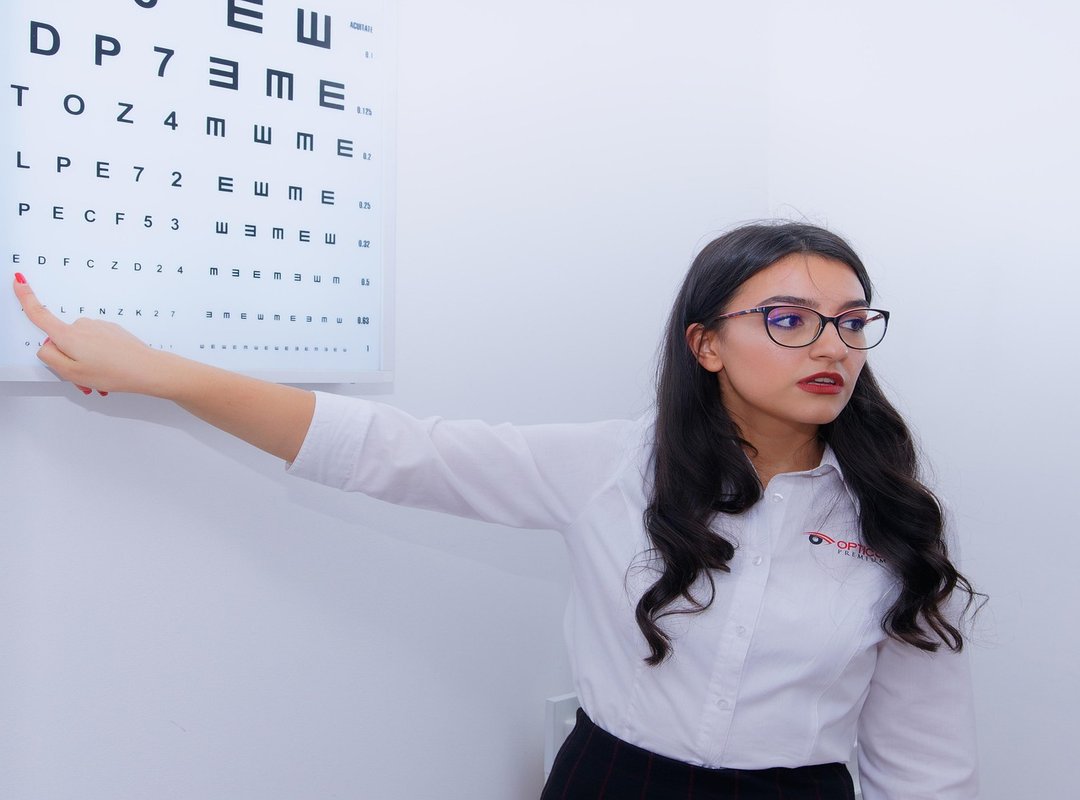
Still on the list. You don’t get to skip these just because you’re older. Add vision and hearing tests.
They’re small but mighty in maintaining quality of life.
But why all these tests? Because they save lives. It’s that simple.
Each assessment has a purpose, from detecting cancer to managing chronic conditions. Health isn’t just about the absence of illness. It’s about living fully.
And while you’re at it, dive into understanding womens nutrition needs. Food’s role in health is bigger than you might think.
Pro tip: Stay informed. Your health is your wealth. And no one knows your body better than you do.
Beyond the Physical: Embracing Total Wellness
When it comes to health, we often focus on the physical. But let’s face it, true well-being demands more. It’s about connecting the dots between body and mind.
Mental health screenings can spot anxiety or depression early, which is key for busy women and mothers managing a thousand tasks. Ever felt overwhelmed just thinking about it? I have.
We can’t ignore lifestyle assessments. Are you eating right? Getting enough sleep?
These are basic yet solid questions. We also need to reflect on our environment and social connections. They shape our health more than we realize.
Have you ever noticed how a cluttered home clutters your mind too?
Integrating these elements into routine health check-ups isn’t just smart (it’s) necessary. When I discuss health with my provider, I make sure to include these aspects. It’s about taking charge and seeing health as more than just numbers on a scale.
Want to know more about women health screenings? Check out this breakdown. It’s packed with practical info we all need.
Pro tip: jot down your stress triggers before your next appointment. It’s a small step that makes a big difference.
Confidence Through Knowledge: Get Ready for Your Assessment
Let’s face it. Preparing for a health assessment can be nerve-wracking. But here’s the thing: knowledge is power.

You can walk into that appointment with confidence. Start by choosing the right healthcare provider. Find someone who listens and respects your concerns.
They should align with your health philosophies. This isn’t just about finding a doctor; it’s about finding a partner in your health journey.
Before the assessment, jot down your concerns, symptoms, and lifestyle habits. Bring them up! It’s key to make sure your voice gets heard.
And don’t forget the essentials: your medical history, a list of medications, insurance card, and a notebook for notes. (Trust me, you’ll want to write things down.)
Communication is key. Speak up if something doesn’t make sense. Don’t leave with unanswered questions.
This is your time. Remember, preparation is more than just checking boxes; it’s a form of self-advocacy. It’s about taking control (empowering,) right?
Are women health screenings on your horizon? They’re just another opportunity to advocate for yourself. You’ve got this.
Show up informed and leave empowered. Because in the end, you deserve to be heard and respected in all aspects of your health.
Understanding Your Health: Take Control Now
Getting results from women health screenings is just the start. But what do they mean for you? It’s not enough to just receive them.
You need to understand them. Ask questions. What does “normal” mean for you?
And “abnormal”? These can feel like big words, but they don’t have to be scary.
If you’re not sure, ask. Clarifying questions are your best tool. Sometimes results suggest further tests, lifestyle changes, medication, or seeing a specialist.
Setting realistic goals based on your lifestyle and results is key. Health isn’t a destination. It’s an ongoing journey.
There’s no one-size-fits-all plan. You get to craft your own action plan. Check out resources like sleep solutions tips women for continued learning.
Help yourself to take charge of your health. We all need support. And remember, you’re not alone.
Embrace the process and stay informed. Health is more than just a screening.
Own Your Health Journey
You’re now ready to tackle your health assessments with confidence. Remember that uncertainty? Let’s turn that into empowerment.
Being proactive about women health screenings gives you the tools for early detection and better health.
It’s time to act. Schedule your next assessment today. Talk to your provider about your health goals.
Prioritize your well-being like it matters because it does.
Embrace your strength. Your health is a journey, not a destination. The more you invest in yourself, the more vitality you’ll have.
Let’s make health a priority. You deserve it. Start now.
 Fenrithia Hearthmoor is a creative lifestyle writer and women’s wellness advocate who brings inspiration, authenticity, and warmth to the Nitka Guides community. Passionate about empowering women through meaningful content, Fenrithia focuses on topics that help readers feel more confident, balanced, and connected in their everyday lives. From self-care routines and mental wellness strategies to fashion inspiration and practical life advice, her writing is centered around helping women thrive personally and emotionally.