
What happens when women show up for each other?
You already know the answer. You’ve felt it. That quiet strength when someone sees you, really sees you, and doesn’t look away.
This isn’t new. It’s old. Older than most history books admit.
This article digs into the history sisterhood ewmhisto. Not the polite version, not the footnotes. The real one.
The one where women organized schools, ran underground networks, held money, shared medicine, raised each other’s kids, and kept records when no one else would.
Some call it support. I call it plan. And survival.
You might wonder: does any of this matter now? Yes. Because what we call “sisterhood” today didn’t drop from the sky.
It was built. Fought for. Passed down.
Understanding that changes how you see your friendships. Your arguments. Your silences.
This isn’t about nostalgia. It’s about proof. Proof that women have always solved problems together (even) when the world refused to name them.
You’ll walk away knowing exactly where that power came from.
And why it still works.
Sisterhood Was Survival
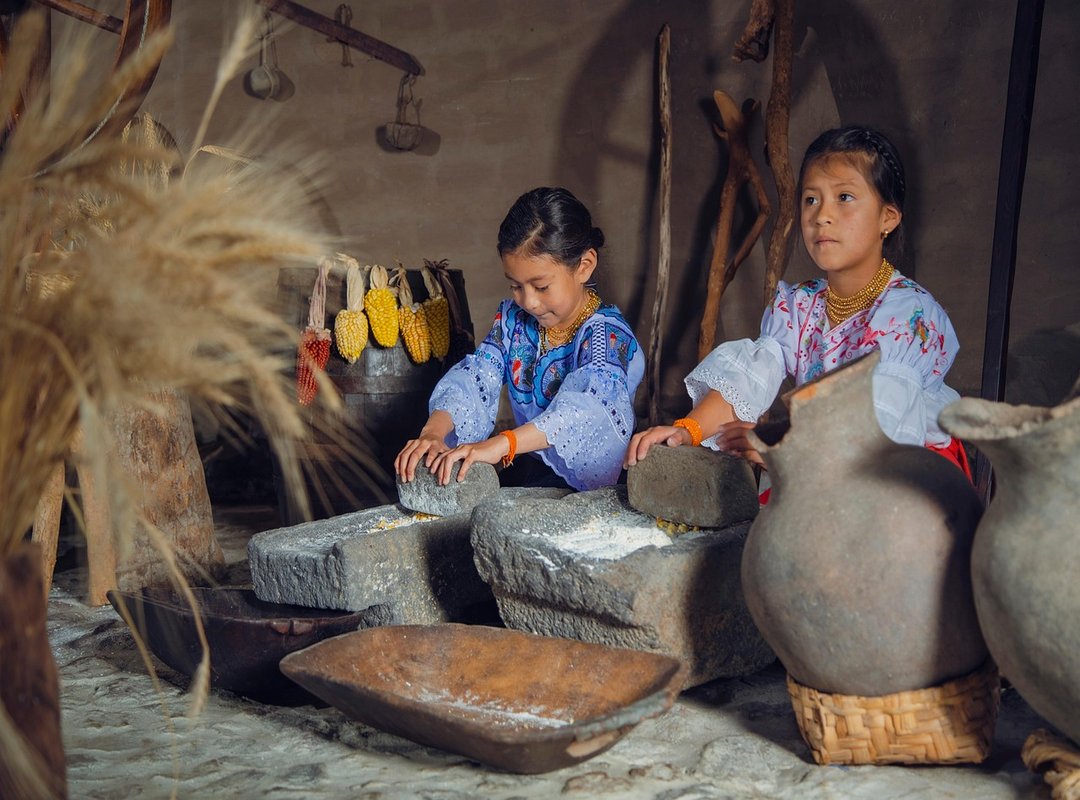
I read about this in the Ewmhisto guide and it hit me hard. Sisterhood wasn’t just blood ties in ancient times. It was women gathering food together.
Cooking over fire. Watching each other’s kids while someone mended a net or ground grain.
You think that’s soft? Try doing it all alone with no backup. No antibiotics.
No strollers. No paid leave. Women leaned on each other because falling meant death.
Not for one person, but for the whole group.
In early farming villages, shared labor built real trust. Not the kind you post online. The kind where you hand your baby to another woman and walk off knowing she’ll feed it, hold it, protect it.
Some became priestesses. Not as side characters. But as leaders.
In places like Sumer and Crete, women ran temples, kept records, taught healing herbs. Their sisterhoods held real power. Real respect.
That knowledge didn’t vanish. It got passed down. Verbally, practically, physically.
From hand to hand, mother to daughter, aunt to niece.
This isn’t nostalgia. It’s evidence. The history sisterhood ewmhisto shows us how women organized before anyone wrote laws about it.
You think modern support groups are new?
They’re just the latest version of something we’ve done since the first fire pit.
We didn’t wait for permission.
We just showed up. For each other.
Convents, Guilds, and Spinning Circles
I used to think sisterhood meant blood or marriage.
Then I read letters from nuns in 12th-century France.
Convents weren’t just religious escapes. They were schools. Libraries.
Places where women copied manuscripts, debated theology, and ran their own affairs. You think that’s rare? It wasn’t.
Women in guilds did the same thing. Just with wool instead of liturgy. They trained apprentices, shared tools, bailed each other out when a shipment got lost.
(Yes, medieval small business was brutal.)
Even in villages, sisterhood happened at the well, over dye pots, during harvest. Spinning circles weren’t “social events.” They were meetings. Someone’s husband died?
Everyone showed up with bread and a loom. Someone got sick? Her neighbors took her children and finished her weaving.
These weren’t “nice extras.”
They were survival. No legal rights. No property.
No voice in court. So women built their own systems.
That’s the real history sisterhood ewmhisto. Not a feeling, but a structure.
You ever wonder how much we’ve unlearned?
Or how much we’re pretending isn’t still necessary?
Sisterhood Was Never Just a Feeling
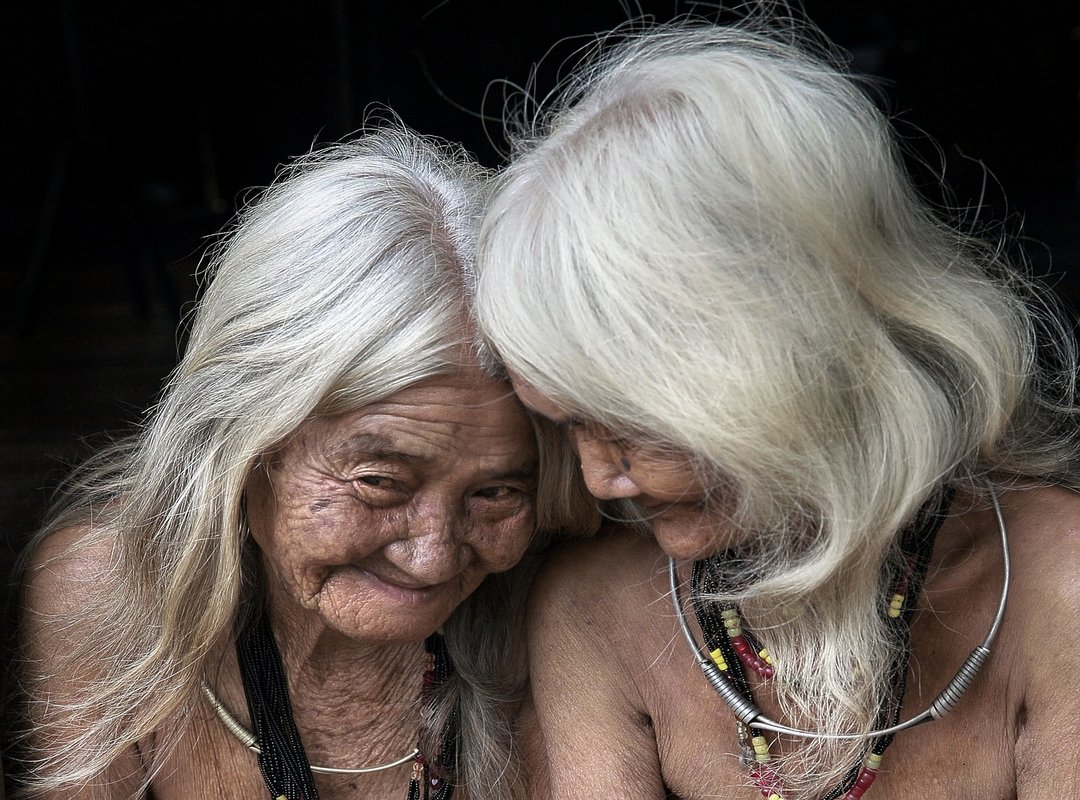
I saw it in old letters. Women gathering in parlors, not for tea, but for plan.
They formed clubs because no one else would listen.
Benevolent societies fed the hungry. Reading circles taught Latin and logic. And yes.
They argued about votes. Loudly.
The Boston Female Anti-Slavery Society started in 1833. Lucretia Mott and Maria Chapman ran it. Men told them to stay quiet.
They didn’t.
Same with the Seneca Falls Convention in 1848. One hundred women signed that Declaration of Sentiments. Not as guests.
As authors.
These weren’t hobbies. They were training grounds.
You learned how to run a meeting. How to raise money. How to speak while men stared at the ceiling.
That’s where leadership got built. Not in schools that barred you, but in rooms you claimed yourself.
Some groups kept minutes. Others burned theirs. But the pattern held: when women organized, things moved.
This is part of the history sisterhood ewmhisto (the) real, messy, documented record of what happened when women stopped waiting.
You can dig into more of it on the Womanhood history ewmhisto page.
No gloss. No mythmaking. Just receipts.
And those receipts show something clear: modern feminism didn’t drop from the sky. It was built (meeting) by meeting, petition by petition, refusal by refusal.
Would you have shown up? I did. In my own way.
Sisterhood Didn’t Stop in 1920
I saw it happen at my cousin’s wedding last year. Three generations of women (my) grandma, my mom, me. Sitting on the porch at midnight, passing a thermos of tea and talking about pay gaps, custody battles, and what “support” actually means.
Sisterhood didn’t freeze after suffrage. It bent. It stretched.
It got louder in the 60s and 70s when women shouted “the personal is political” and meant it.
That wasn’t just slogans. It was women sharing abortion stories in living rooms. It was office workers forming secret lunch groups to compare salaries.
It was radical. It was necessary.
Today? Sisterhood shows up in Slack channels. In DMs where someone says “I got ghosted again” and five replies hit back instantly.
In coworker group texts that turn into job referrals. In Facebook groups for moms who work night shifts.
It’s not always polished. Sometimes it’s messy. Sometimes it’s awkward.
(Like when you realize your “sister circle” is mostly white and you have to fix that.)
Social media didn’t invent sisterhood. It just gave it Wi-Fi.
The core hasn’t changed: women showing up for each other. Not perfectly. Not always.
But consistently.
You know that feeling when someone just gets it. No explanation needed? That’s still the point.
If you want to go deeper into how this thread runs through time, check out the power of womanhood ewmhisto.
Sisterhood Doesn’t Wait
I’ve seen it. I’ve lived it. Women showing up.
Always.
The history sisterhood ewmhisto isn’t some dusty footnote. It’s women sharing food in ancient villages. It’s letters passed between suffragists.
It’s group texts at 2 a.m. when someone’s falling apart.
You already know this. You’ve leaned on a friend who didn’t ask questions. Just showed up.
You’ve held space for someone else when no one else would. That’s not coincidence. That’s continuity.
This isn’t just about feeling good. These bonds moved laws. Changed workplaces.
Got women out of danger.
So why do we still treat sisterhood like it’s optional? Like it’s secondary to work, to romance, to “being strong alone”?
It’s not.
Look around. Who’s your person? Not the perfect one (the) real one.
The one you call when things crack. Name them. Tell them.
Show up first, not just when you need something.
Don’t wait for a crisis to remember how much you rely on other women.
Don’t wait for permission to say it out loud.
Say it now: I need my people. I am my people’s.
Then text one of them. Right now. Not later.
Not after you finish this.
Send the message. That’s where it starts again. Every time.
 Fenrithia Hearthmoor is a creative lifestyle writer and women’s wellness advocate who brings inspiration, authenticity, and warmth to the Nitka Guides community. Passionate about empowering women through meaningful content, Fenrithia focuses on topics that help readers feel more confident, balanced, and connected in their everyday lives. From self-care routines and mental wellness strategies to fashion inspiration and practical life advice, her writing is centered around helping women thrive personally and emotionally.