
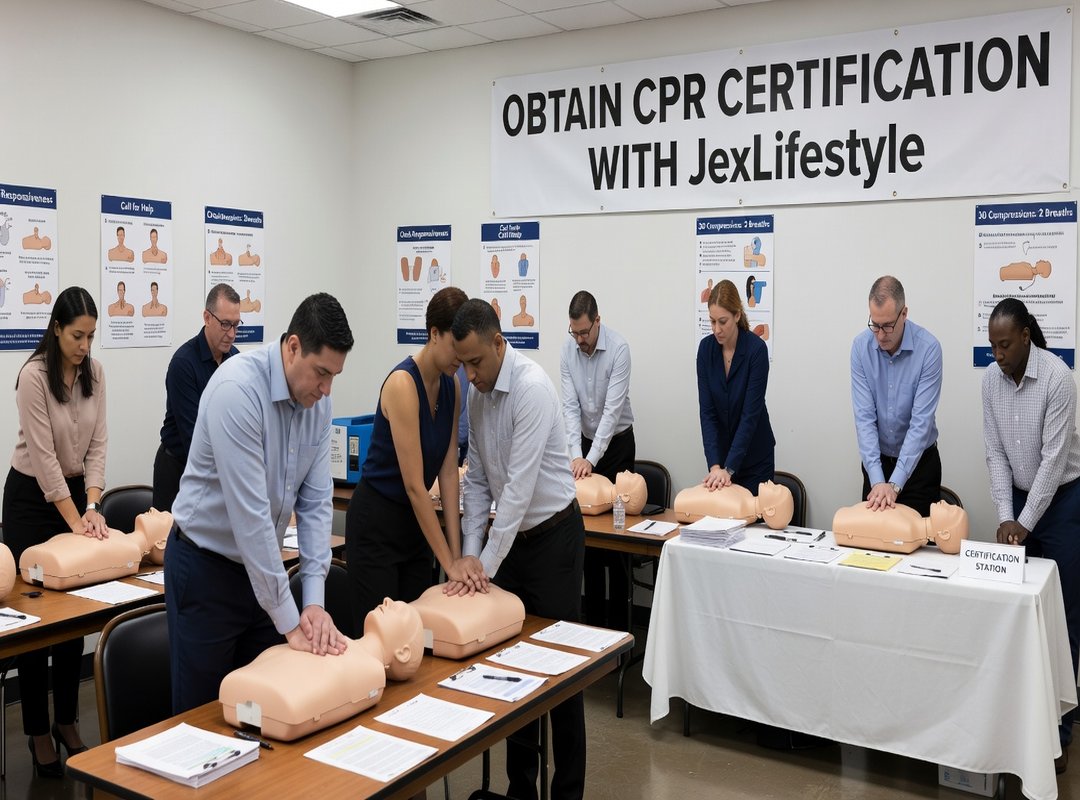
I failed my first CPR test. Not because I didn’t care. Not because I didn’t practice.
Because no one told me what actually trips people up.
You’re nervous. You’re thinking: *What if I freeze during the practical? What if I forget compression depth?
What if I get the rhythm wrong?*
Yeah. That’s normal. But here’s the truth: CPR certification isn’t about perfection.
It’s about consistency, timing, and knowing where to focus.
This isn’t theory. I’ve taught dozens of people. I’ve watched them panic (and) then nail it on the second try (once) they stopped memorizing and started doing.
How to Pass a Cpr Certification Jexplifestyle means cutting through the noise. No fluff. No jargon.
Just clear steps that match how your brain works under pressure.
You don’t need to be a medic.
You just need to know what matters. And what doesn’t.
And yes, this is about saving lives. But first? It’s about passing your test.
Without stress. Without guesswork. That’s what you’ll get here.
What CPR Certification Actually Gets You
CPR is hands-on help when someone’s heart stops. You push hard and fast on their chest so blood keeps moving to their brain.
I learned this the hard way during a family BBQ. My uncle collapsed. I did CPR until the ambulance came.
He lived. (Turns out, muscle memory matters more than perfect form.)
There are different certs: Adult/Child/Infant, BLS for nurses or EMTs, and combo classes with First Aid + AED. Pick based on your job or life. Teachers need child-focused training.
Nurses need BLS. Parents? Infant CPR helps.
Work often requires it. Volunteering at schools or camps usually does too. But honestly.
Most people get certified just to not freeze next time.
In-person classes let you practice on manikins. Online-only? Skip it.
Blended courses work if you do the in-person skills test. (Yes, that part is mandatory.)
How to Pass a Cpr Certification Jexplifestyle has real tips. Not theory. Check it out How to Pass a Cpr Certification Jexplifestyle.
You don’t need a perfect score. You need to act. Fast.
Prep Like You Mean It
I signed up for a CPR class last year.
It sucked because I showed up tired, hungry, and wearing dress shoes.
Don’t do that.
Register with the American Heart Association or American Red Cross.
Skip the random “certified by Jeff’s Garage” course (check) real reviews first.
You don’t need to memorize everything before day one. But watch a 7-minute CPR video or skim a one-page guide. It’s not about perfection.
It’s about recognizing chest compressions before you’re kneeling on a mannequin.
Sleep. Eat. Seriously.
If your stomach’s growling and your eyes are heavy, you’ll miss the difference between agonal gasps and normal breathing.
Wear clothes you can move in. No belts. No stiff collars.
No heels. You’ll be on your knees, leaning hard, repeating compressions. Your outfit shouldn’t fight you.
Show up early. Not five minutes early (ten.) That gives you time to find parking, grab water, and settle in.
Full participation isn’t optional. This isn’t a lecture. It’s muscle memory training.
If you zone out during practice, you’ll freeze in real life.
How to Pass a Cpr Certification Jexplifestyle starts here (not) in the exam room.
It starts with showing up ready.
You’ve done this before. You know what happens when you walk into something unprepared. What’s one thing you’ll change next time?
What You’re Doing Wrong in CPR Class
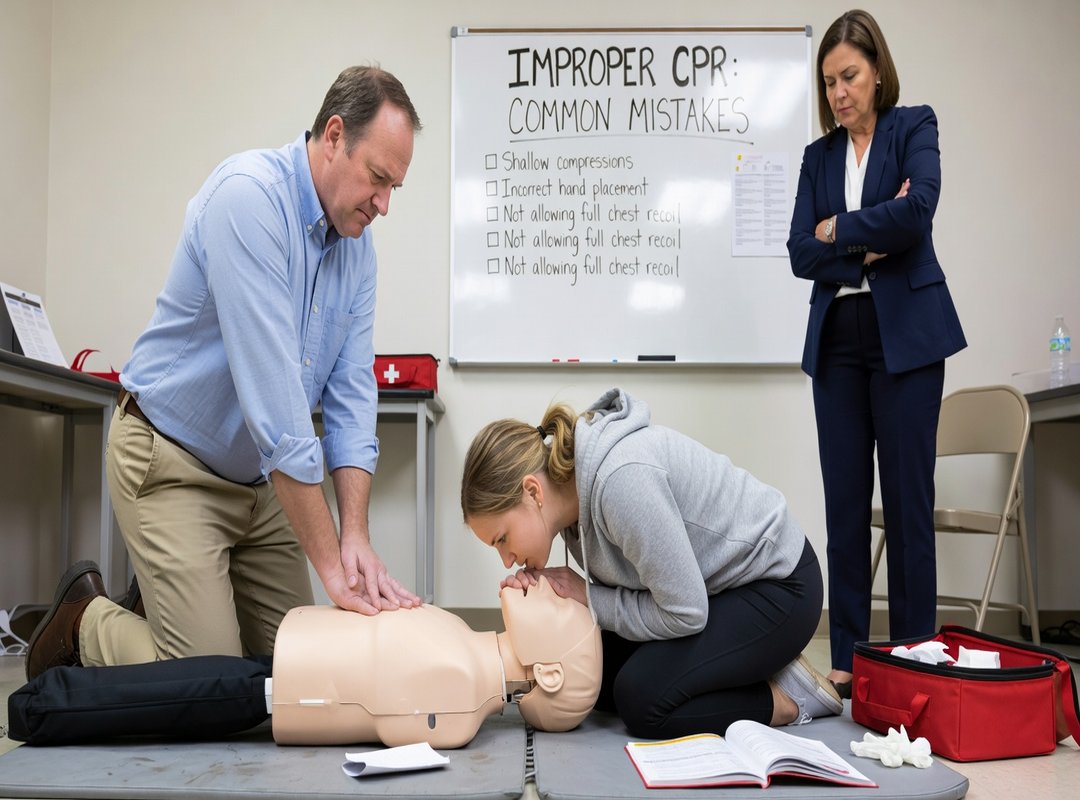
I watch people nod along while the instructor says “30 compressions to 2 breaths.”
They write it down.
Then forget it five minutes later.
Active listening isn’t about staying quiet. It’s about interrupting with “Wait. How deep exactly?”
Or “What if the chest doesn’t recoil?”
Instructors love that.
They do not love silence.
Skip the fancy note-taking apps. Use pen and paper. Your brain sticks better when your hand moves.
Hands-on practice? Most people rush through it. They slap the mannequin instead of pressing (and) miss depth, rate, and full recoil.
That’s why you fail the skills test.
“Look, listen, feel” sounds simple until you panic. So do it out loud during practice. Say “I see no rise… I hear nothing… I feel no air.”
Visualizing steps in your head works (if) you’ve done them first with your body.
Don’t daydream compression rhythm before you’ve felt it in your shoulders.
AED training is usually a checkbox. You press one button and wait. But real AEDs yell at you.
They glitch. They need batteries swapped mid-rescue. Ask for the broken trainer unit.
Try it blindfolded.
How to Pass a Cpr Certification Jexplifestyle starts with ditching the script. The Jexplifestyle Health Guide by Jerseyexpress covers what no class tells you: how to stay calm when your hands shake. Most people pass because they memorized.
You’ll pass because you moved.
CPR Tests: What Actually Happens
The written exam is multiple choice.
It asks about concepts, steps, and real-life situations.
I read every word. Twice. You skip one word like “not” or “first,” and boom.
You pick the wrong answer.
Eliminate the dumb answers first. Then pick the one that feels right. Your gut knows more than you think.
The practical test? You do CPR on a mannequin. Sometimes there’s a fake emergency.
Like someone collapsed at a park bench.
Breathe. Say your steps out loud: *Airway open. Breathing?
No. Circulation (start) compressions.*
Instructors watch for safety and flow (not) perfection.
They want you to pass. If you forget a step, they’ll nudge you. Not fail you.
Don’t freeze up. Just move. Speak.
Stay steady.
You trained for this. Not for a trophy. For the moment someone drops beside you in line at the grocery store.
That’s why you’re here. Not to memorize. To act.
How to Pass a Cpr Certification Jexplifestyle isn’t about flashcards. It’s about muscle memory and calm nerves.
Stuck on what comes next? Jexplifestyle Health Advice From Jerseyexpress has straight talk on prep and mindset.
You’re Ready to Start Saving Lives
I failed my first CPR test. Not because I didn’t care. Because I waited until the night before to practice.
You feel that knot in your stomach too. The one that says *What if I freeze? What if I mess up?
What if someone needs me and I’m not ready?*
That fear is real. It’s also beatable.
How to Pass a Cpr Certification Jexplifestyle isn’t about perfection. It’s about showing up. Practicing out loud.
Feeling the rhythm of compressions in your arms. Not just your head.
You don’t need more theory. You need muscle memory. You it to trust your hands before you ever need them.
And once you pass? Don’t file that card away. Do five minutes of practice once a month.
Just enough to keep your hands sharp and your mind calm.
Because when it matters (when) seconds count. You won’t be thinking about the test.
You’ll be acting.
So what’s stopping you from signing up today? The fear fades the moment you press play on your first practice video. The confidence builds with every rep.
Sign up for your CPR course today and help yourself to be a lifesaver.
 Fenrithia Hearthmoor is a creative lifestyle writer and women’s wellness advocate who brings inspiration, authenticity, and warmth to the Nitka Guides community. Passionate about empowering women through meaningful content, Fenrithia focuses on topics that help readers feel more confident, balanced, and connected in their everyday lives. From self-care routines and mental wellness strategies to fashion inspiration and practical life advice, her writing is centered around helping women thrive personally and emotionally.