
You know that feeling when you’re stuck in traffic and your sister texts you a dumb meme?
Or when your best friend shows up with coffee and doesn’t ask questions?
That’s not just luck.
That’s centuries of women building something real.
I’ve spent years digging into sisterhood history ewmhisto (not) the polite version they teach in school, but the messy, loud, stubborn truth.
Women have always organized. Always protected each other. Always passed down knowledge in whispers, songs, letters, and silence.
History books often skip it.
But that doesn’t mean it didn’t happen.
This isn’t about nostalgia. It’s about proof. Proof that female solidarity wasn’t invented last Tuesday.
You’re probably wondering: *Where’s the evidence? Who did it? How did they stay hidden.
Or how did they force their way in?*
I’ll show you.
No fluff. No vague inspiration. Just real people doing real things (across) wars, migrations, laws, and lies.
By the end, you’ll recognize your own friendships and family ties as part of something older and stronger than you thought.
You’ll see yourself in it.
What Sisterhood Actually Is
Sisterhood isn’t about blood. It’s about showing up when it matters. I mean real showing up.
Not just liking a post.
It’s the woman who brings soup when you’re sick. It’s the coworker who backs you up in a meeting. It’s strangers linking arms at a rally because they know the same fear.
Sisterhood history ewmhisto stretches way back. Long before hashtags or formal groups.
You can see it in Ewmhisto, where women organized slowly, then loudly, to protect each other.
It wasn’t always safe to do that.
Sometimes it still isn’t.
So what does sisterhood look like today? Texting your friend after a bad date. Calling out bias when you hear it.
You’ve felt it. That moment someone got you without explanation. That’s sisterhood.
Holding space (not) fixing, not judging.
It doesn’t need a title. It doesn’t need permission. It just needs you to choose it.
Again and again.
Ancient Roots: Sisterhood Before It Had a Name
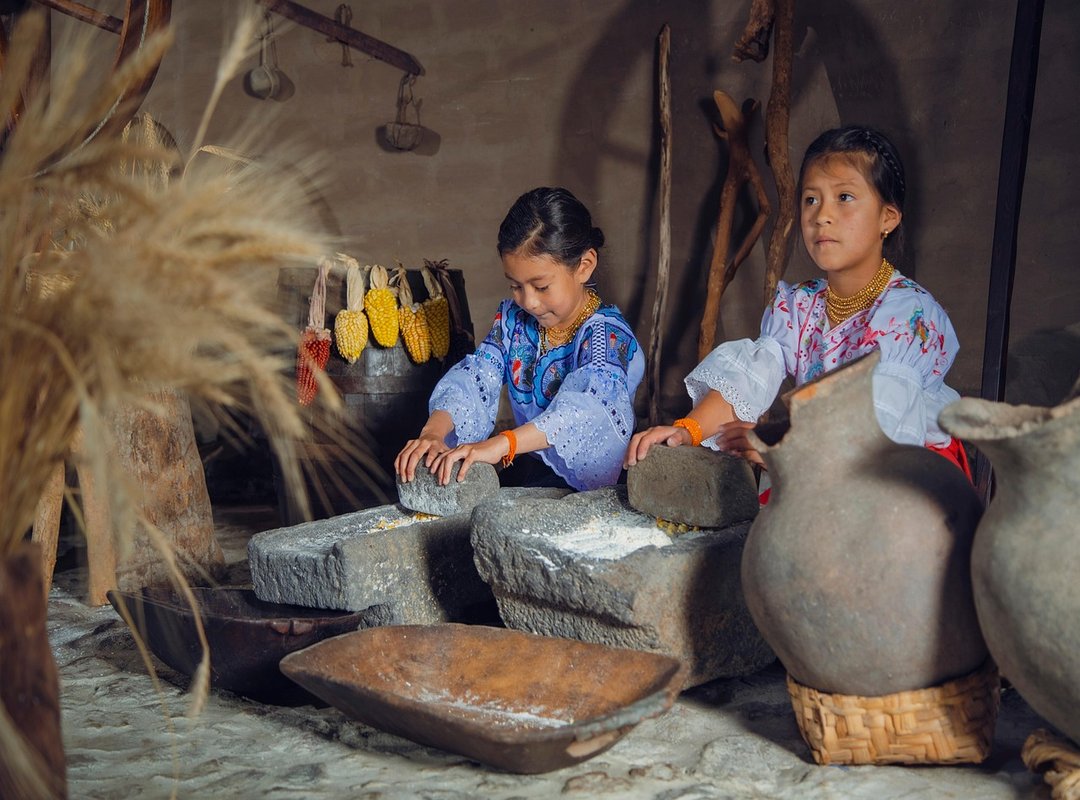
When you picture “sisterhood,” do you see protest signs or boardrooms? I see women grinding grain together in Mesopotamia. I see Neolithic mothers passing babies hand to hand while tending hearths.
No one called it sisterhood back then. There was no manifesto. No meetings.
Just survival.
Women shared work because they had to. They wove nets, harvested barley, fermented milk. Side by side.
Childcare wasn’t solo. It was communal. Aunts, sisters, elders.
All stepped in.
Rituals weren’t just spiritual. They were glue. The Thesmophoria in Greece.
The weaving circles of pre-Columbian Andes. These weren’t performances. They were lifelines.
(And yes, they involved gossip, exhaustion, and laughter.)
You think solidarity needs a name to exist? Try birthing alone in a mud hut with wolves howling outside. Then tell me what “sisterhood” really means.
This isn’t romanticized history. It’s practical truth. Women built bonds not because they read theory (but) because they carried water, nursed babies, and buried daughters.
That quiet, daily reliance? That’s the oldest form of sisterhood history ewmhisto.
What would your life look like without one person who just shows up? Yeah. Exactly.
Nuns. Widows. Seamstresses. Not just background characters.

I read about medieval women and see something else entirely. Not helpless. Not silent.
Just working under the radar.
They built sisterhood history ewmhisto in places men barely noticed. Convents weren’t just prayer rooms. They were schools, pharmacies, scriptoriums.
Women copied manuscripts. They ran infirmaries. They taught girls Latin.
(Yes, Latin.)
Guilds let widows take over their husbands’ trades. A weaver’s widow didn’t vanish (she) kept the loom running. She trained apprentices.
She negotiated contracts. You think she did that alone? No.
She leaned on other widows. Shared wool prices. Covered for each other at market.
Childbirth was dangerous. No hospitals. No painkillers.
So women gathered. Neighbors. Sisters-in-law.
Midwives who’d seen twelve births and knew when to boil water and when to pray.
They swapped chores too. One watched kids while another baked bread. One mended shirts while another tended the herb garden.
It wasn’t charity. It was survival (and) it looked a lot like power.
That quiet coordination? That shared knowledge? That’s where real influence lived.
Not on thrones. In kitchens. In cloisters.
In backrooms where women traded secrets and stitches.
You want proof of how deep this runs? Check out the Power of womanhood ewmhisto page. It’s not theory.
It’s receipts.
Men wrote the laws. Women ran the life.
Sisterhood Was Never Just a Word
I watched women chain themselves to railings in London.
They called it sisterhood.
Not a warm fuzzy idea. A plan. A lifeline.
A shared risk.
The suffrage movement didn’t wait for permission. It built networks, printed papers, held rallies, got arrested (together.)
You think they said “sisterhood” because it sounded nice? (No. They said it because it meant you’re not alone in this cell.)
Then came the 1960s. Women dropped out of grad school, walked off factory floors, stood up in meetings. And shouted sisterhood is solid.
It wasn’t poetry. It was a warning to the system.
And it worked. Laws changed. Jobs opened.
Birth control became legal.
That’s not magic. That’s what happens when women stop competing and start coordinating.
Some people still treat sisterhood like a book club topic. (It’s not.)
It’s how Black women organized voter drives while white feminists debated lipstick.
It’s how Latinas built mutual aid networks before “mutual aid” was trending.
It’s messy. It’s tense. It’s necessary.
Sisterhood history ewmhisto isn’t about harmony. It’s about alignment. Even when it’s hard.
Want to see how that alignment plays out today? Check out the womanhood projects ewmhisto (real) work, not theory.
This Legacy Is Real
I know you came here because you’re tired of sisterhood being treated like an afterthought.
Like it’s just a feeling. Not a force that held communities together for centuries.
That’s why sisterhood history ewmhisto matters. It’s not nostalgia. It’s proof.
Women built schools, ran underground networks, raised each other’s kids, shared medicine, and kept records when no one else would. All without fanfare. All without credit.
You feel that gap (the) silence where their names should be. Yeah. That silence is the pain point.
But now you know: your friendships, your late-night calls, your group texts at 2 a.m., your chosen family. They’re part of that same unbroken line.
Don’t wait for permission to call it sisterhood. Call it that. Name it.
Protect it.
Your turn. Reach out to one person today (just) say “I see you. I’m here.”
That’s how legacies survive.
Not with speeches.
With action.
Start there.
 Fenrithia Hearthmoor is a creative lifestyle writer and women’s wellness advocate who brings inspiration, authenticity, and warmth to the Nitka Guides community. Passionate about empowering women through meaningful content, Fenrithia focuses on topics that help readers feel more confident, balanced, and connected in their everyday lives. From self-care routines and mental wellness strategies to fashion inspiration and practical life advice, her writing is centered around helping women thrive personally and emotionally.