
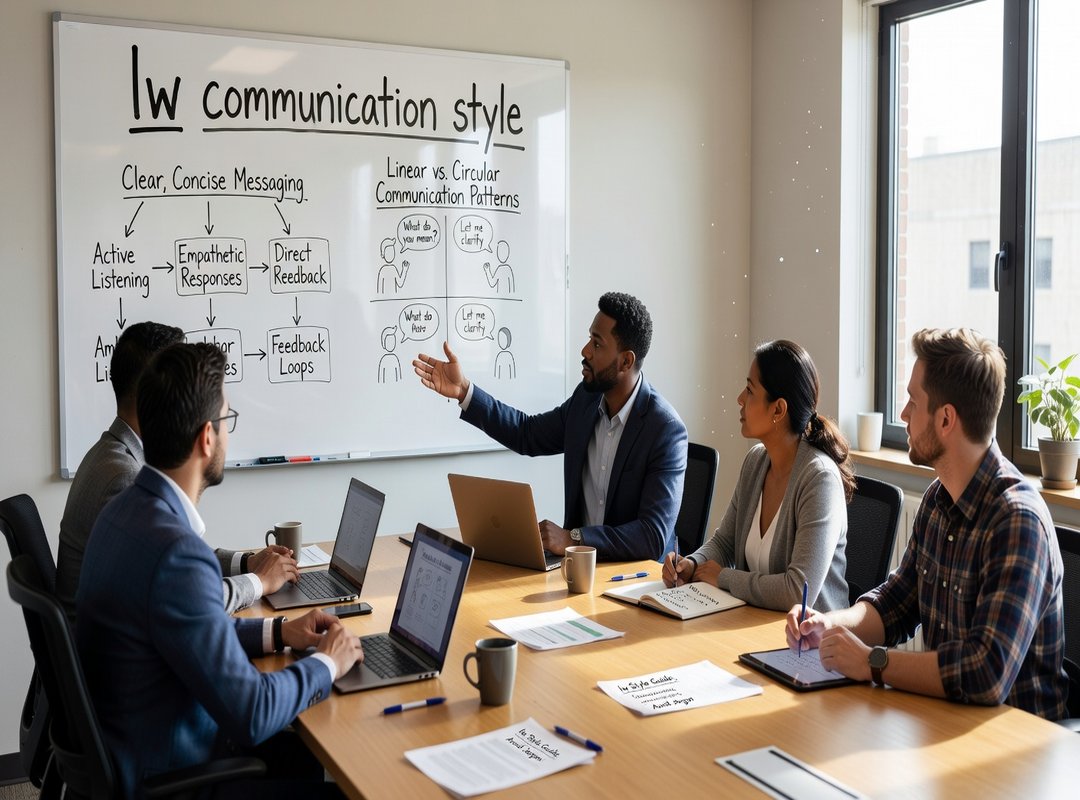
I hate when people talk and I forget what they said five seconds later.
You do too.
Lwspeakstyle is how you fix that.
It’s not fancy vocabulary. It’s not memorizing scripts. It’s saying what you mean.
Clearly, directly, and in a way people actually remember.
Most communication fails because it’s cluttered. Or vague. Or boring.
(Yes, boring counts as failure.)
You’re tired of being ignored in meetings. Tired of sending emails no one replies to. Tired of watching your point get lost in translation.
This isn’t theory. It’s what works when real people talk to real people.
You want to be understood (not) just heard. You want your words to land. Not float away.
That’s why you’re here. Not for jargon. Not for fluff.
But for something you can use today.
This article shows you how Lwspeakstyle works. Step by step. No guesswork.
No buzzwords. Just clear moves you make right now.
By the end, you’ll know how to speak so people lean in (not) zone out.
Why LwSpeak Style Just Works
I used to write like I was trying to impress a professor. (Spoiler: nobody cared.)
Then I tried LwSpeakstyle. And rewrote my first email in under two minutes. It landed.
No follow-up needed.
Clarity means saying what you mean, not what sounds smart. I cut “use” and put in “use.” I killed “in order to” and wrote “to.” You notice the difference right away.
Conciseness isn’t about being short. It’s about cutting noise so your point breathes. I deleted three sentences from a client pitch last week.
The deal closed faster.
Connection? That’s when someone reads your words and thinks, Yeah. That’s me. Not because you flattered them.
But because you spoke their language. Like when I told a teacher, “Your students zone out during long explanations,” instead of “Cognitive load may impede information retention.”
These three things don’t stack. They fold into each other. Clarity without connection feels cold.
Connection without clarity feels vague. Conciseness without both feels rushed.
I tested this on a grant application. Rewrote it using Lwspeakstyle. Got funded.
First try.
You’ve read dense emails that made you scroll past. You’ve skimmed reports that buried the ask. You know how bad writing wastes time.
So why keep writing like that?
What’s one sentence you’ve rewritten today to make it clearer?
Speak So People Actually Get It
I used to bury my point in ten-word sentences.
Then I watched people’s eyes glaze over.
Short sentences work. They land. They stick.
You don’t need “use” when “use” is right there. You don’t need “help” when “help” does the job. Big words slow people down.
They don’t impress. They confuse.
Jargon? Kill it. Or at least explain it (right) then, not later.
If you say “API,” say “the tool that lets two apps talk.” (Yes, that’s longer. But it’s clear.)
Here’s a before:
“The implementation of iterative feedback loops enables continuous optimization of user-facing deliverables.”
Here’s after:
“We ask users what they think. We change things. We ask again.”
That’s Lwspeakstyle.
You think your audience will figure it out? They won’t. They’ll scroll.
Clarity isn’t “dumbing it down.”
It’s respect.
It’s saving time (for) you and them.
Ever sent an email and gotten no reply?
Was it clear (or) just full of your own jargon?
Try this tomorrow:
Read one thing you wrote out loud.
If you stumble, rewrite it.
People don’t read to admire your vocabulary. They read to understand. So help them.
Cut the Fluff. Say It Clean.

I hate wasting time.
You do too.
Conciseness isn’t about sounding smart. It’s about respect. Respect for the person listening.
Respect for their attention span. Respect for your own message.
I cut words like I prune dead branches (fast) and without guilt.
“At this point in time” becomes “now.”
“Due to the fact that” becomes “because.”
“I am of the opinion that” becomes “I think.”
You already know these. But do you do them?
Find the one idea in each sentence. Not two. Not three.
Just one. Then say it. If your sentence has more than two clauses, it’s probably bloated.
Kill one.
I practice before I speak. I pause. I ask: *What’s the core?
What’s left if I strip everything else?*
Try it next time you write an email. Or open your mouth in a meeting.
Before:
“We are currently in the process of evaluating various options with regard to how we might potentially move forward with this initiative at some point in the near future.”
After:
“We’ll decide next week.”
That’s Lwspeakstyle.
You’re not dumbing it down. You’re sharpening it. Clarity feels like relief.
Doesn’t it?
People stop checking their phones when you talk like this. They lean in. That’s not magic.
That’s discipline.
Building Bridges Is Hard Work
I don’t pretend to know exactly how your audience feels. Sometimes I get it wrong. That’s okay.
LwSpeak helps me connect (but) not by giving me scripts or tricks. It reminds me to use you instead of we or people. You care about your time.
You want clarity. You’re tired of being talked at.
So I try stories that sound like real life. Not perfect ones. Not polished ones.
The kind where someone trips, hesitates, or changes their mind halfway through. (Like last Tuesday.)
Active listening? It’s not just waiting for your turn. It’s pausing.
It’s repeating back what you heard (even) if you’re not sure you got it right. I say “So you’re saying…” and then shut up.
Empathy isn’t about fixing things. It’s about asking: What would this feel like if I were standing where they are?
I’m not always sure. But I ask anyway.
Want proof it works? Look at how fashion talks now. People don’t want trends.
They want recognition. That’s why What Fashion Styles Are in Right Now Lwspeakstyle hits different. It’s not about clothes.
It’s about showing up like a person (not) a pitch.
I still mess up. You will too. That’s how we learn.
Speak So People Actually Hear You
I’ve watched people freeze up in meetings. I’ve seen emails get ignored. You know that sinking feeling when your words just… vanish?
That’s the pain. Not being understood. Not landing the point.
Not feeling like your voice matters.
Lwspeakstyle fixes that. It’s not about fancy words or memorized scripts. It’s clarity first.
Conciseness second. Connection always.
You don’t need to overhaul everything today. Just pick one thing from this article. Try it in your next team huddle.
Or rewrite one email before you hit send.
You’ll notice it fast. People lean in. They nod.
They remember what you said.
Your relationships shift. Not because you’re louder. Because you’re clearer.
So go ahead (choose) one tip. Use it today. Not tomorrow.
Not next week.
You already have what it takes.
Now use it.
 Fenrithia Hearthmoor is a creative lifestyle writer and women’s wellness advocate who brings inspiration, authenticity, and warmth to the Nitka Guides community. Passionate about empowering women through meaningful content, Fenrithia focuses on topics that help readers feel more confident, balanced, and connected in their everyday lives. From self-care routines and mental wellness strategies to fashion inspiration and practical life advice, her writing is centered around helping women thrive personally and emotionally.